





DESCRIPTION
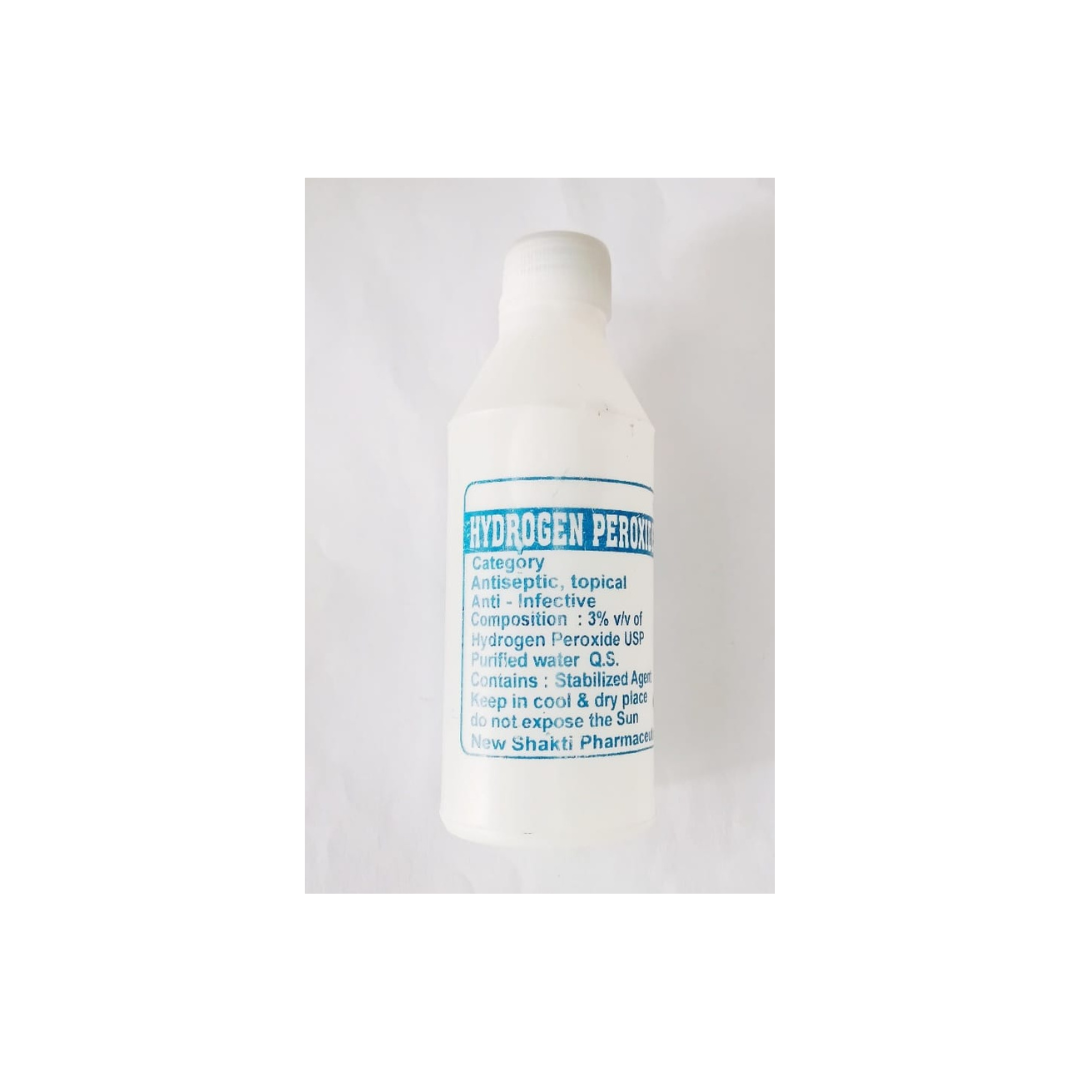
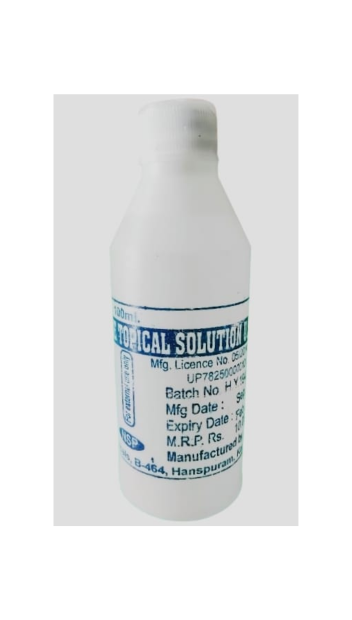
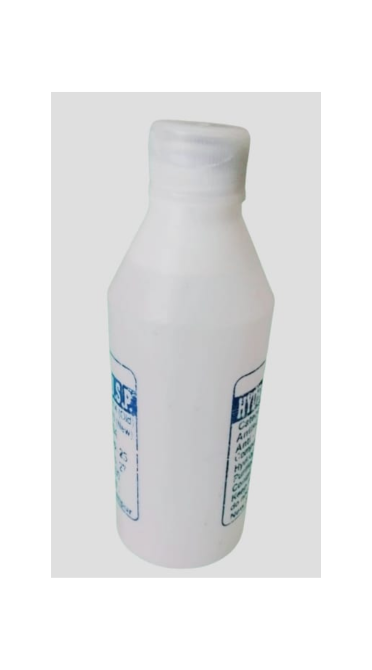
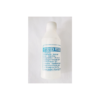
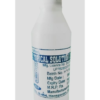
Hydrogen Peroxide ($H_2O_2$) Topical Solution U.S.P. (United States Pharmacopeia) is a widely used antiseptic and oxidizing agent. It is primarily recognized for its effervescent (bubbling) action when it comes into contact with skin or mucous membranes.
Chemical and Physical Properties
-
Chemical Formula: $H_2O_2$
-
Standard Concentration: The U.S.P. grade topical solution typically contains 3% hydrogen peroxide by weight.
-
Appearance: A clear, colorless, and odorless liquid (though it may have a faint ozone-like scent).
-
Stability: It is inherently unstable and decomposes into water ($H_2O$) and oxygen ($O_2$). To prevent rapid degradation, it is usually stored in opaque, dark brown bottles and may contain a small amount of stabilizer (like acetanilide or sodium stannate).
Mechanism of Action
When applied to a wound, the enzyme catalase (found in blood and cells) rapidly breaks down the solution:
The resulting release of nascent oxygen creates a mechanical “foaming” action. This helps to:
-
Debride wounds: The bubbles physically lift dirt, debris, and dead tissue out of the injured area.
-
Kill Anaerobes: The oxygen-rich environment is hostile to anaerobic bacteria (bacteria that thrive without oxygen).
Common Uses & Indications
-
First Aid: Used as a mild antiseptic for the treatment of minor cuts, scrapes, and burns to prevent infection.
-
Oral Hygiene: Often used as a mouthwash or “debriding agent” to treat phlegm, mucus, or other oral irritations (usually diluted).
-
Earwax Removal: Occasionally used to soften impacted cerumen (earwax).
Precautions and Safety
Important Note: Modern wound care guidelines often suggest that for deep or chronic wounds, sterile saline or plain water may be better, as $H_2O_2$ can sometimes damage healthy regenerating cells (fibroblasts) and delay healing if used excessively.
-
For External Use Only: Do not swallow.
-
Avoid the Eyes: It can cause severe irritation or chemical burns to the ocular tissue.
-
Storage: Keep the cap tightly closed and store in a cool, dark place. If the bottle “swells,” it’s a sign the gas is building up from decomposition.



Reviews
There are no reviews yet.