





DESCRIPTION
In the medical and surgical world, “plain forceps” (often called dressing forceps) are the unsung heroes of the toolkit. Unlike their more aggressive cousins, they are designed for precision without trauma.
Here is the breakdown of what they are and how they’re used:
What are Plain Forceps?
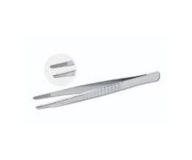
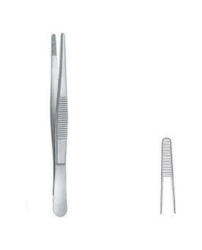
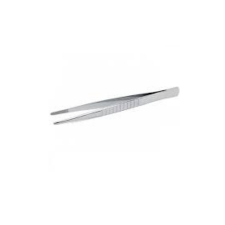
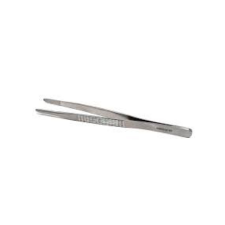
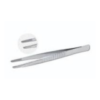
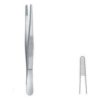
Plain forceps are handheld, non-locking instruments used for grasping, holding, or maneuvering delicate tissue or medical dressings. The defining feature of a “plain” forcep is its smooth or serrated tips—specifically, they lack “teeth” (the sharp hooks found on tissue forceps).
Key Physical Features
-
The Tips: Usually rounded or blunt. The inner surfaces are typically serrated (horizontal grooves) to provide a firm grip on slippery materials without puncturing them.
-
The Handle: Designed with a “thumb-and-finger” spring action (tweezers-style), allowing the user to control the pressure precisely.
-
Material: Almost always high-grade stainless steel for easy sterilization.
Plain vs. Toothed Forceps
It’s easy to mix them up, but the difference is vital in a clinical setting:
-
Plain (Dressing) Forceps: Best for dressings and delicate structures. They rely on friction to hold things. Think of them as the “gentle” option.
-
Toothed (Tissue) Forceps: Have interlocking “teeth” at the tip (e.g., Adson forceps). These are used for tougher tissue like skin or muscle where you need a “no-slip” grip, but they do cause small puncture marks.
-


Reviews
There are no reviews yet.