






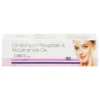
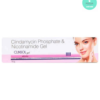
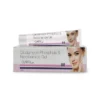
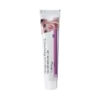
DESCRIPTION
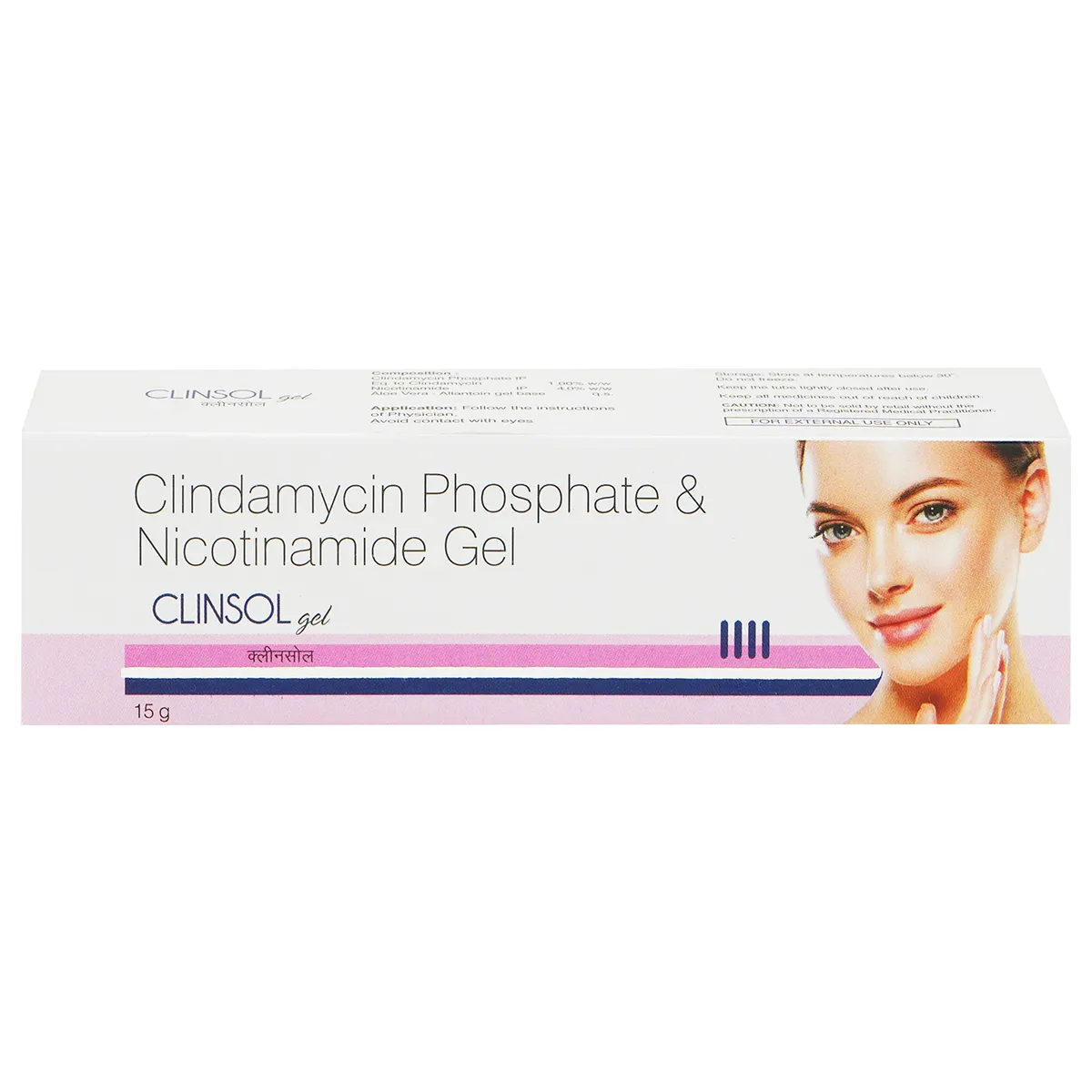
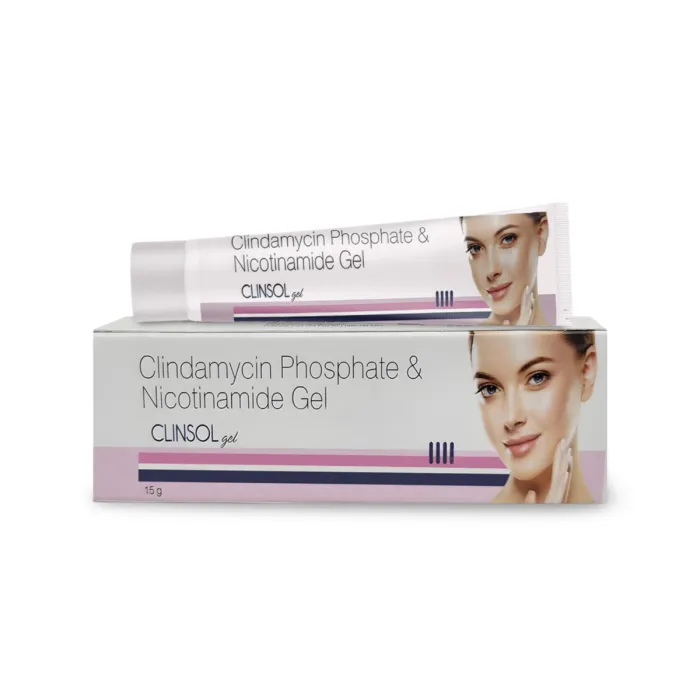
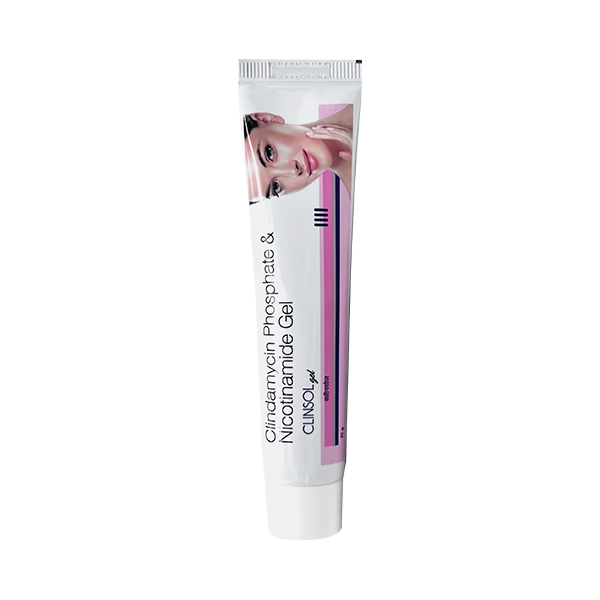
Clinsol Gel is a topical medication primarily used for the treatment and management of acne (acne vulgaris). It is designed to reduce the growth of acne-causing bacteria, decrease inflammation, and help clear up pimples, whiteheads, and blackheads.
Here is a detailed breakdown of its composition, uses, and effects:
Composition (Active Ingredients)
Clinsol Gel is a combination medicine containing two active ingredients:
-
Clindamycin (1% w/w): A broad-spectrum antibiotic.
-
Nicotinamide / Niacinamide (4% w/w): An active form of Vitamin B3.
How It Works
The two ingredients work synergistically to treat inflamed acne:
-
Antibacterial Action: Clindamycin penetrates the skin and works by inhibiting the protein synthesis of bacteria—specifically Cutibacterium acnes (formerly Propionibacterium acnes), which is the bacteria primarily responsible for acne breakouts. This stops the bacteria from growing and spreading.
-
Anti-inflammatory & Oil Control: Nicotinamide complements the antibiotic by exerting strong anti-inflammatory effects. It helps soothe irritated skin, reducing the redness, swelling, and tenderness associated with active pimples. Additionally, it helps regulate sebum (natural skin oil) production, which prevents pores from getting clogged in the future.
Primary Uses
-
Treating active, inflamed acne and pimples.
-
Reducing blackheads and whiteheads.
-
Fading post-acne marks and promoting overall skin healing.
-
Treating localized bacterial skin infections.
General Directions for Use
-
Application: It is strictly for external use. Apply a thin layer of the gel to the entire affected area (not just as a spot treatment on individual pimples) usually once or twice a day, as directed by a physician.
-
Preparation: Wash the skin with a mild cleanser and gently pat it dry before application.
-
Precautions: Avoid contact with the eyes, mouth, nostrils, or open wounds. Wash hands thoroughly before and after application.
-
Sun Sensitivity: This medication can make the skin more sensitive to sunlight. It is highly recommended to use a broad-spectrum sunscreen and limit direct sun exposure during the day to prevent severe sunburn or irritation.
Common Side Effects
Most side effects are localized, mild, and tend to resolve as the skin adjusts to the medication. They may include:
-
Skin dryness or peeling
-
Mild redness (erythema)
-
Itching or a mild burning/stinging sensation upon application
If severe irritation, persistent burning, blistering, or signs of an allergic reaction (like severe swelling or rash) occur, use should be discontinued and a doctor should be consulted immediately.


Reviews
There are no reviews yet.