








DESCRIPTION
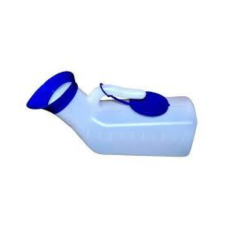
When we talk about a urine pot (more formally known as a urinal), we’re usually referring to a specialized medical container designed for people who have difficulty getting to a bathroom. Whether it’s for hospital use, home care, or even long-road-trip emergencies, the design is all about functionality and spill prevention.
Here is a breakdown of the typical features and types.
Key Features & Design
Most modern urine pots are designed with a few specific “must-haves” to ensure hygiene and ease of use:
-
Anatomical Openings: * Male Urinals: Feature a long, narrow neck that is easy to position.
-
Female Urinals: Have a wider, contoured opening designed to fit against the body to prevent leaks.
-
-
Graduated Measuring Marks: Most are translucent and have volume markings (usually up to 1000ml or 32oz) on the side. This is crucial for medical staff or caregivers to monitor fluid output.
-
Materials: * Plastic (Polyethylene): The most common. It’s lightweight, durable, and inexpensive.
-
Stainless Steel/Glass: Used in clinical settings where high-heat sterilization (autoclaving) is required.
-
-
Cap/Lid: Most include a snap-on or screw-top lid to prevent odors and accidental spills.
Usage & Care Tips
-
Hygiene: Always wash the container with warm, soapy water after every use. For deeper cleaning, a diluted bleach solution or specialized medical disinfectant is recommended.
-
Storage: Store it in a reachable place (like a bedside table or a dedicated hook) but keep it covered to maintain a sanitary environment.
-
Positioning: For the best results, users should be in a seated or slightly upright position to allow gravity to help with flow and prevent back-splash.
-


Reviews
There are no reviews yet.