





DESCRIPTION
Whether you’re looking at a standard specimen cup for a doctor’s visit or a specialized container for a 24-hour collection, these items are designed for one thing: maintaining sample integrity.
Here is a breakdown of the common types and their features.
1. Standard Specimen Cup (The “Routine” Cup)
This is the most common container used for urinalysis or quick screenings.
-
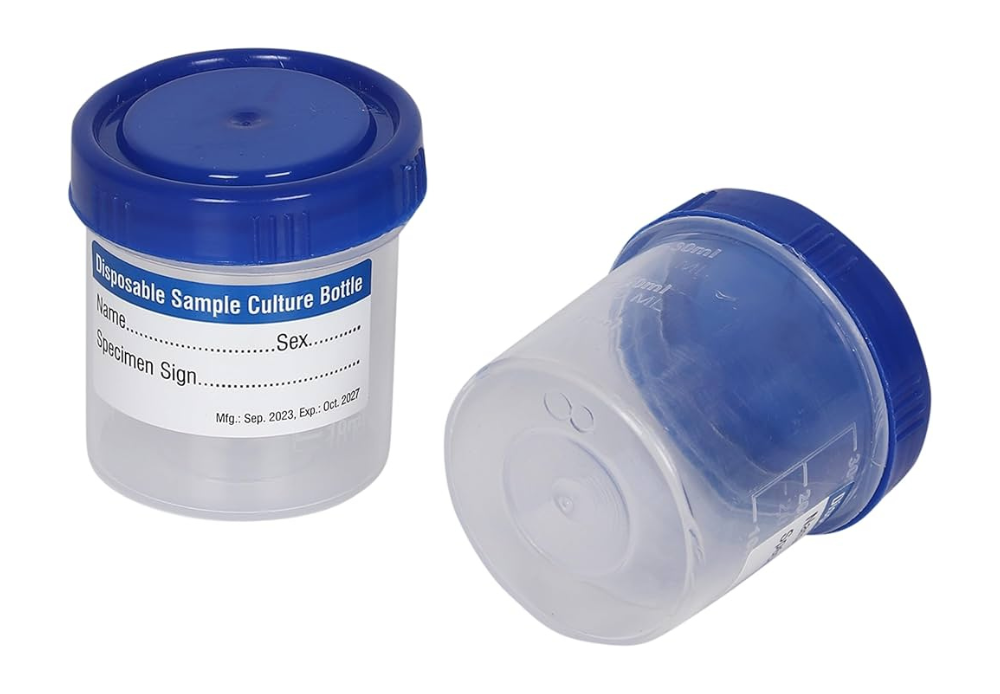
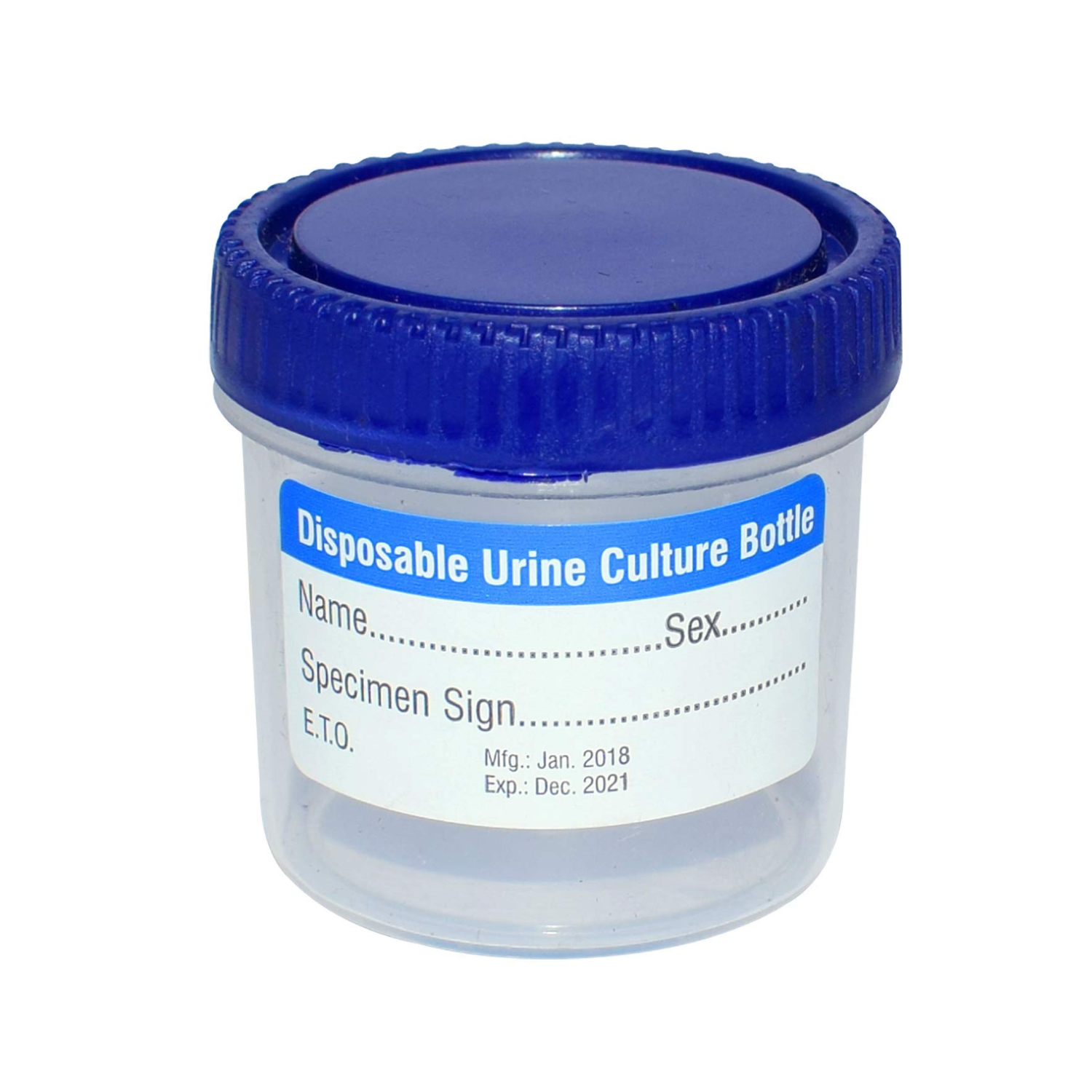
Material: Usually clear or translucent medical-grade polypropylene (plastic).
-
Capacity: Typically holds 60mL to 120mL (approx. 2–4 oz).
-
Graduation Marks: Most have embossed scales in both milliliters (mL) and ounces (oz) to measure volume.
-
Leak-Proof Lid: Generally features a screw-on cap to prevent spills and odors. High-end versions use a “vacuum” seal cap.
-
Label Area: Often includes a frosted area on the side or a pre-applied label for the patient’s name, date, and time of collection.
2. Sterile vs. Non-Sterile
-
Sterile: Individually wrapped. These are essential for Urine Cultures to ensure no outside bacteria contaminate the results.
-
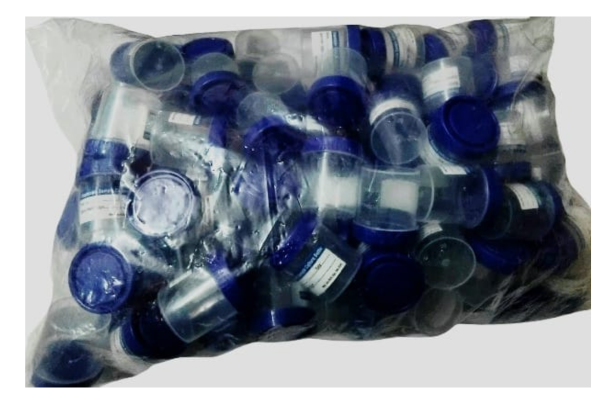
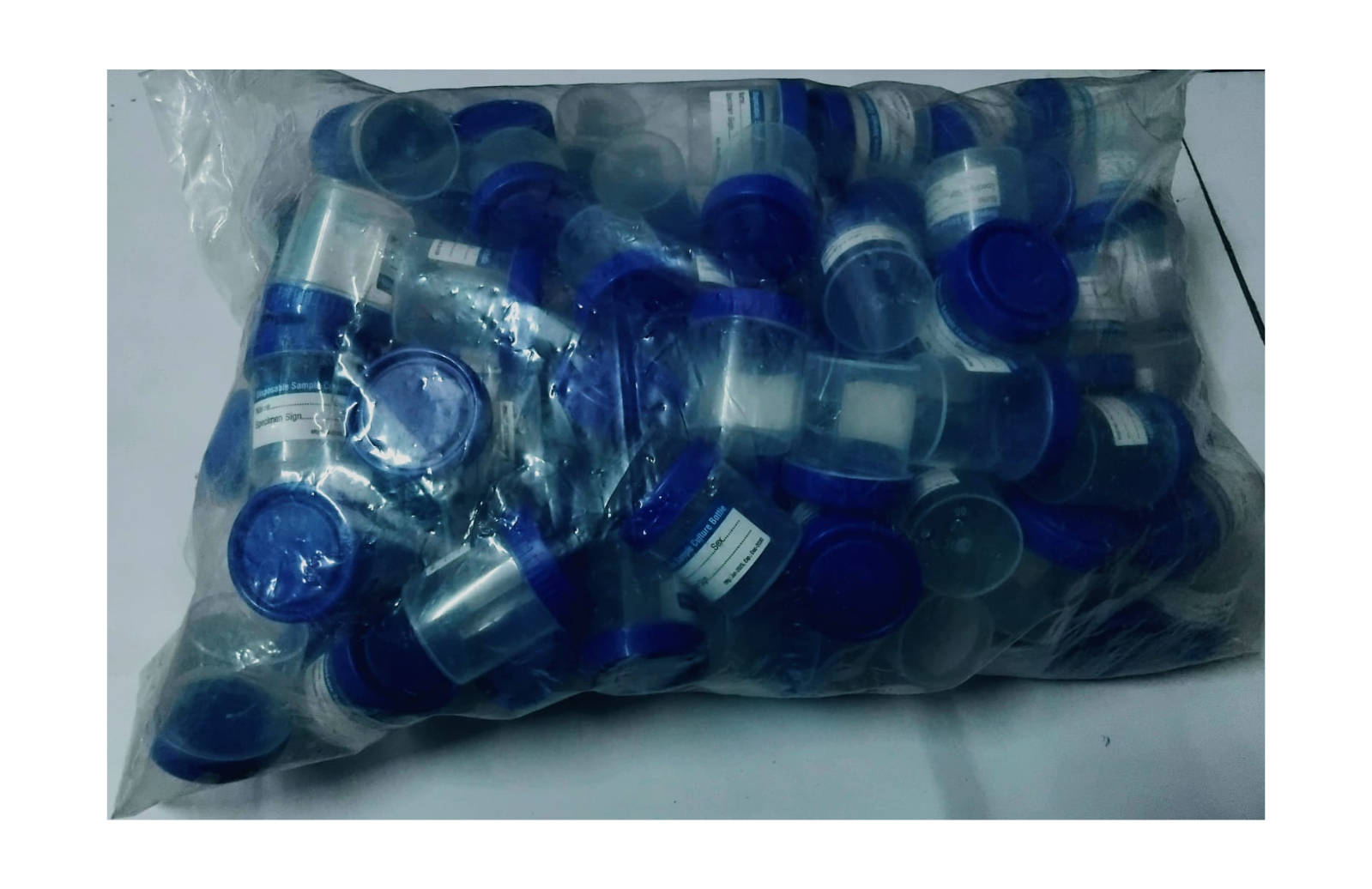
Non-Sterile: Bulk-packaged. Used for basic physical/chemical tests (like pregnancy tests or drug screenings) where bacterial growth isn’t being measured.


Reviews
There are no reviews yet.