





DESCRIPTION
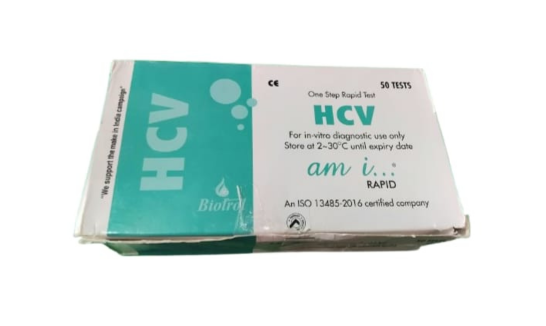
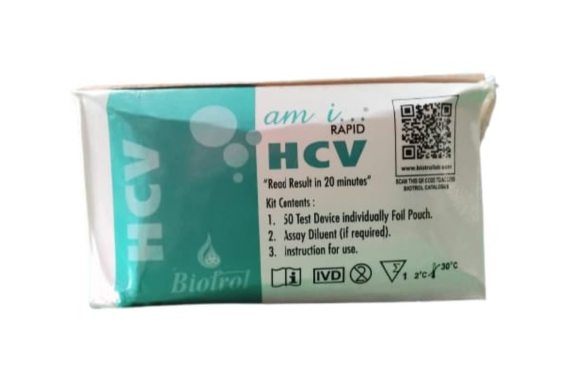
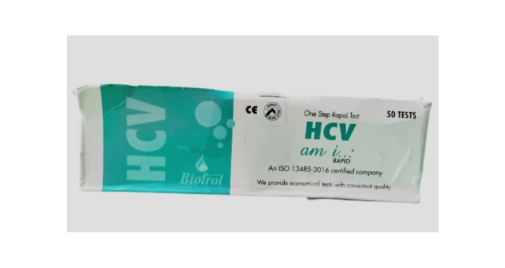
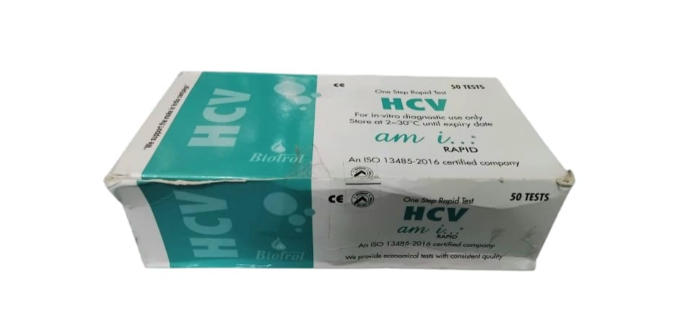
An HCV (Hepatitis C Virus) Test Kit is a medical diagnostic tool used to detect the presence of antibodies or the virus itself in a person’s blood. Most common “kits” refer to Rapid Diagnostic Tests (RDTs), which are point-of-care devices that provide results in minutes, similar to a pregnancy test.
Types of Kits
-
Antibody Test (Anti-HCV): The most common screening kit. It looks for antibodies (immune proteins) produced if you’ve ever been exposed to the virus.
-
Note: A positive result here means you were exposed at some point, but it doesn’t always mean you have an active infection.
-
-
RNA/PCR Test: A more advanced test (often laboratory-based, but now available in some rapid formats) that detects the actual genetic material of the virus to confirm an active infection.
Kit Components
A standard rapid antibody test kit typically includes:
-
Test Cassette/Device: A plastic unit containing a nitrocellulose membrane strip.
-
Sample Diluent (Buffer): A chemical solution that helps the blood flow across the test strip.
-
Capillary Dropper/Pipette: For collecting and transferring a precise amount of blood.
-
Alcohol Swab & Lancet: For a sterile finger-prick blood draw.
-
Desiccant: To keep the components dry and stable.
How It Works (The Science)
Rapid kits use Lateral Flow Immunoassay technology. Here is the simplified process:
-
Application: You add a drop of blood and buffer to the sample well.
-
Migration: The liquid travels across a “conjugate pad” containing HCV antigens attached to colored particles (usually colloidal gold).
-
Binding: If HCV antibodies are in your blood, they latch onto these colored antigens.
-
Detection: This complex moves to the Test Line (T), where it is captured by more antigens, forming a visible colored band.
-
Control: The remaining liquid moves to the Control Line (C) to prove the test is working correctly.



Reviews
There are no reviews yet.