





DESCRIPTION
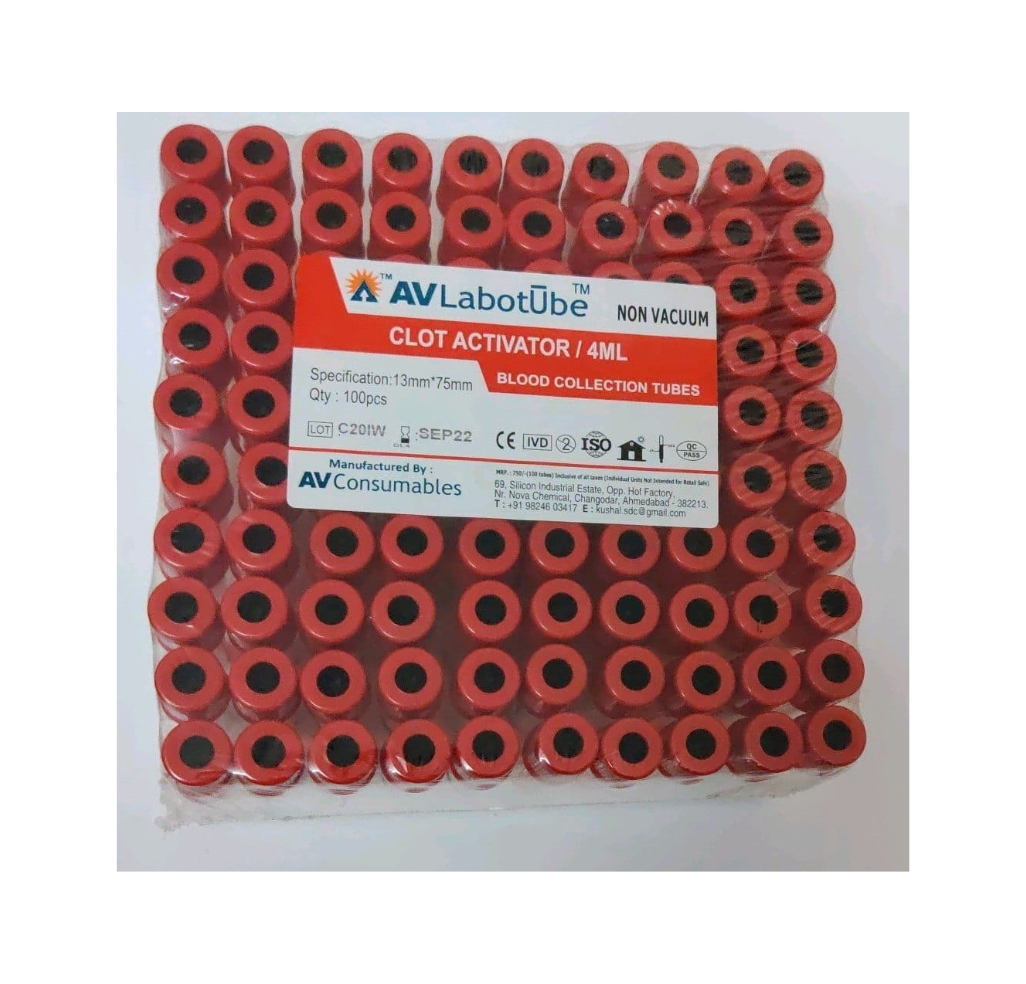
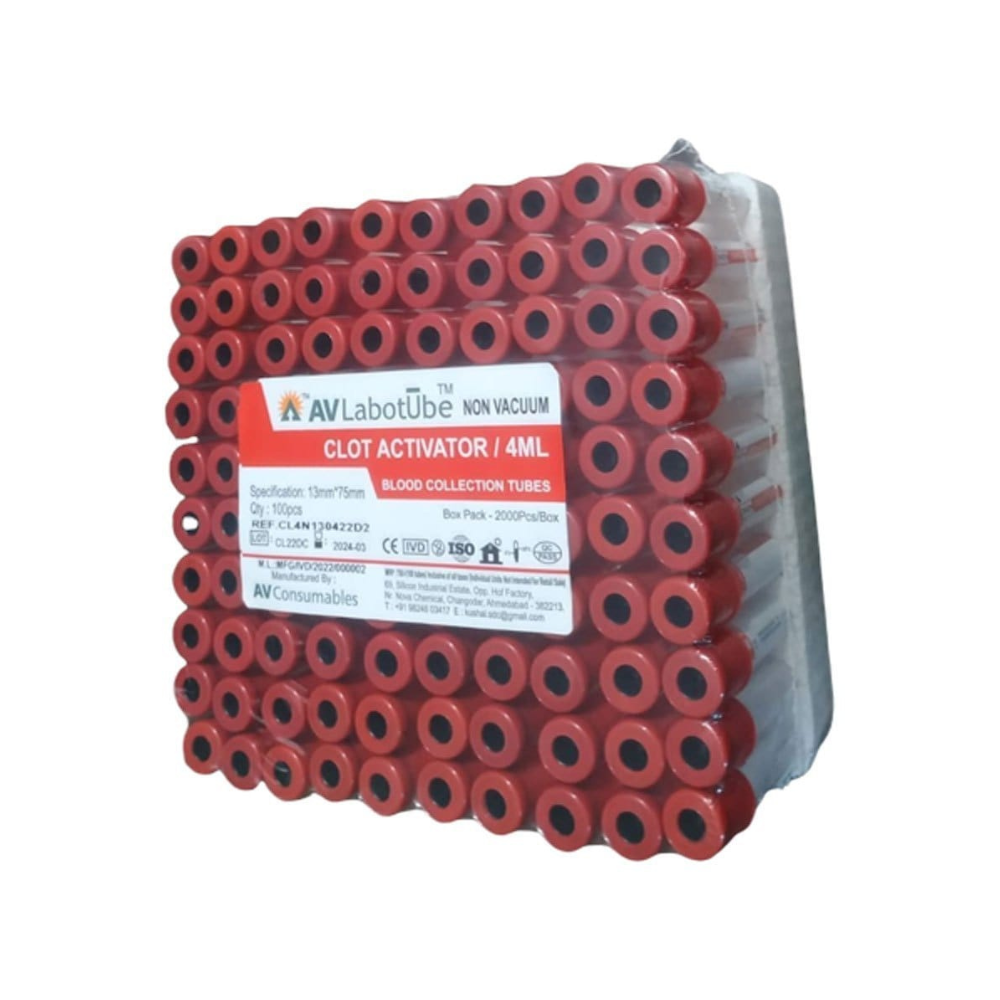
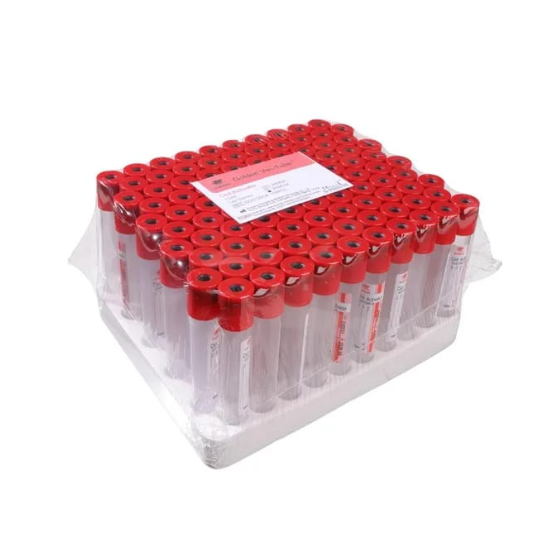
Clot activator tubes are a staple in clinical laboratories, specifically designed to obtain serum from whole blood samples. Unlike tubes used for plasma (which require anticoagulants), these tubes are engineered to speed up the natural clotting process so the liquid portion of the blood can be analyzed quickly.
How They Work
When blood is drawn into the tube, it encounters a “clot activator” coated on the inner walls. This is typically a silica-based particle (like glass or silicone).
-
The Catalyst: The silica particles increase the surface area for platelet activation.
-
The Result: This triggers the coagulation cascade, turning fibrinogen into fibrin.
-
The Timeline: While blood naturally clots in about 30–60 minutes, these activators can reduce that time significantly, usually to about 30 minutes.
-
The Two Main Variations
Not all clot activator tubes are the same. They are generally split into two categories:
1. Plain Clot Activator (Red Top)
-
Contains only the silica particles.
-
After centrifugation, the serum sits directly on top of the blood cells (clot).
-
Risk: If not separated quickly, the cells can continue to metabolize chemicals in the serum, potentially skewing results.
2. Serum Separator Tubes (SST / Gold or Marble Top)
-
Contains both a clot activator and a thixotropic polymer gel.
-
During centrifugation, the gel moves to the middle, creating a physical barrier between the serum and the cells.
-
Benefit: This allows for easier transport and longer stability of the sample.
Common Clinical Uses
These tubes are the “go-to” for tests that require serum, including:
-
Routine Chemistry: Electrolytes, glucose, and lipid panels.
-
Serology/Immunology: Testing for antibodies or viral markers.
-
Therapeutic Drug Monitoring (TDM): (Though plain red tops are preferred here, as the gel in SSTs can sometimes absorb certain medications).
-


Reviews
There are no reviews yet.