





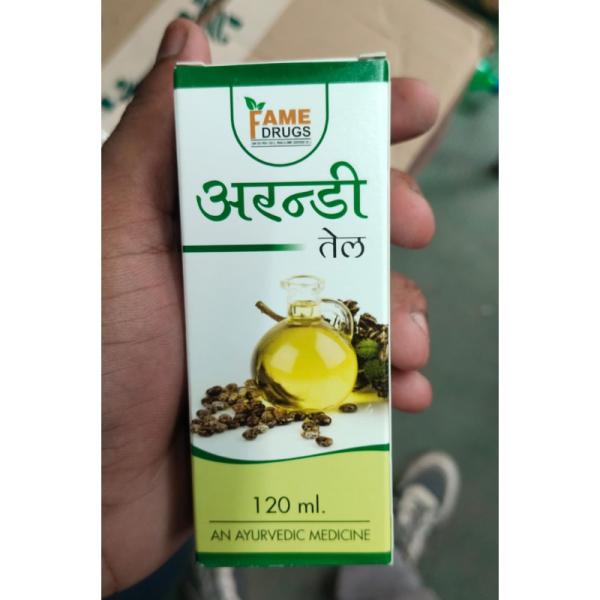
DESCRIPTION
Arandi oil is a common name for castor oil, which is a vegetable oil derived from the seeds of the castor bean plant (Ricinus communis). It is a colorless or pale yellow liquid with a distinct taste and odor.
Characteristics and Components:
- Ricinoleic Acid: The primary component of castor oil, making up about 90% of its fatty acid content. This unique fatty acid has a hydroxyl functional group that makes the oil more polar than most other fats and contributes to its various properties.
- Viscosity: Castor oil is known for its thick, viscous consistency.
Common Uses:
Castor oil has a long history of use in both traditional medicine and industrial applications.
- Laxative: The most well-known use of castor oil is as a stimulant laxative for the temporary relief of occasional constipation. It is approved by the FDA for this purpose. When ingested, it is broken down into ricinoleic acid, which stimulates muscle contractions in the intestines.
- Skin and Hair Care: It is used topically as a moisturizing agent in cosmetics, lotions, and creams. It is believed to have anti-inflammatory and antimicrobial properties that may help with various skin conditions and wound healing. It’s also often used in hair care to moisturize the hair and scalp and is believed by some to promote hair growth.
- Industrial Applications: Castor oil and its derivatives are widely used in manufacturing. They are ingredients in products such as soaps, lubricants, hydraulic and brake fluids, paints, dyes, and plastics.
- Traditional Remedies: It has been used in various traditional practices for a range of ailments, although many of these uses are not supported by scientific evidence.
Important Safety Information:
- Side Effects: Ingesting castor oil, especially in large amounts, can cause severe side effects such as abdominal cramps, nausea, and diarrhea. Overuse can lead to dehydration and electrolyte imbalances.
- Pregnancy: It is crucial to avoid using castor oil during pregnancy, as it can induce premature uterine contractions.
- Allergic Reactions: Some people may experience an allergic reaction, such as a skin rash, itching, or swelling, when using castor oil topically. It is recommended to perform a patch test before widespread use.
- Toxicity: The castor bean itself contains a highly toxic protein called ricin, but processed and refined castor oil is considered safe and free of this substance.
Disclaimer: This information is for general knowledge and informational purposes only, and does not constitute medical advice. Consult with a healthcare professional before using castor oil, especially for internal use or on sensitive skin, to ensure it is appropriate and safe for your specific health needs.



Reviews
There are no reviews yet.