






DESCRIPTION
A catheter is a flexible, hollow tube designed to drain fluids from or deliver fluids into the body. While they are most commonly associated with urinary care, they are used across various medical specialties for different diagnostic and therapeutic purposes.
Common Types of Catheters
-
Urinary Catheters: Used to drain the bladder when a patient cannot do so naturally.
-
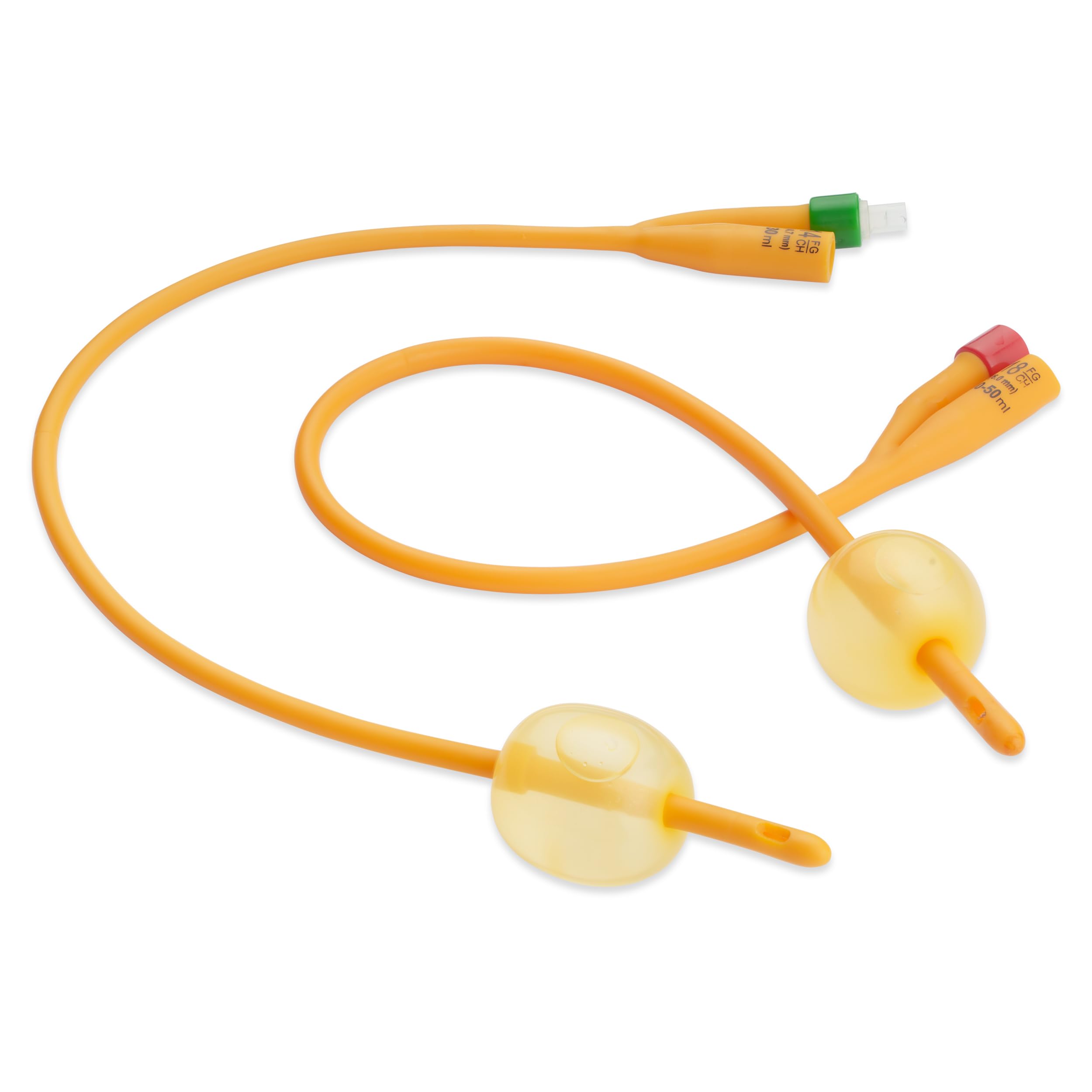
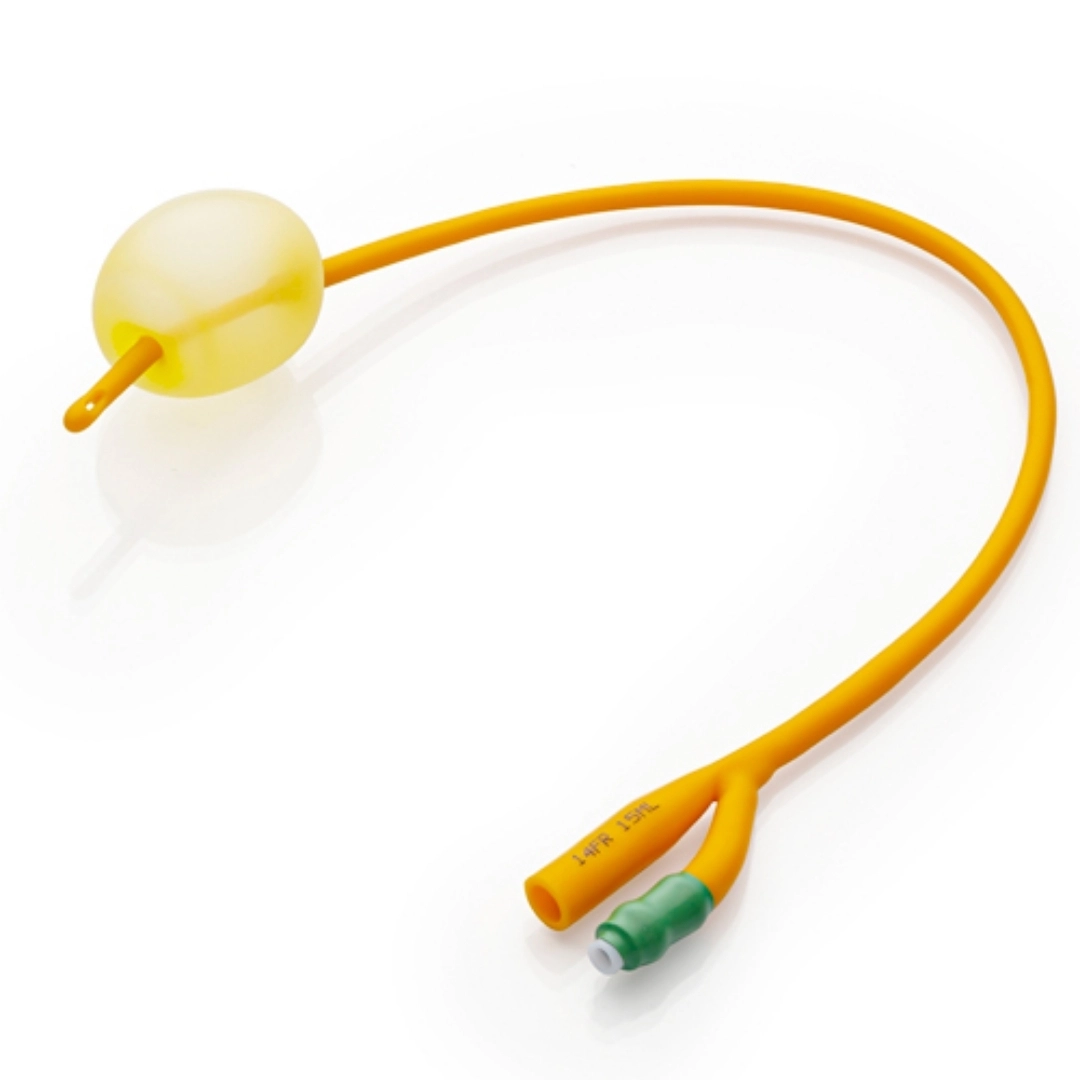
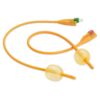
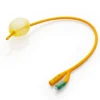
Foley Catheter (Indwelling): Held in place by a small water-filled balloon in the bladder; used for long-term drainage.
-
Intermittent Catheter: Inserted temporarily to empty the bladder and then immediately removed.
-
External (Condom) Catheter: Worn over the penis for non-invasive drainage.
-
-
Venous Catheters (IVs): Used to deliver medications, fluids, or nutrients directly into the bloodstream.
-
Peripheral IV: A short catheter usually placed in the hand or arm.
-
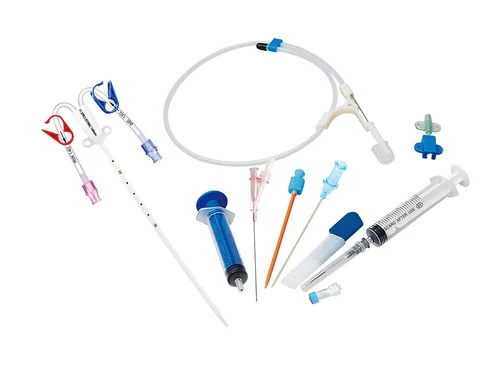
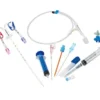
Central Venous Catheter (CVC): A longer tube inserted into a large vein in the neck, chest, or groin for long-term treatment.
-
-
Cardiovascular Catheters: Used in procedures like angioplasty or to measure pressure and blood flow within the heart.
Key Components and Materials
Catheters are manufactured in various sizes, typically measured in French (Fr) units. Common materials include:
-
Latex: Often coated with silicone; flexible but may cause allergies in some patients.
-
Silicone: Highly biocompatible and preferred for long-term use to reduce irritation.
-
PVC/Vinyl: More rigid, often used for short-term intermittent catheterization.


Reviews
There are no reviews yet.