





DESCRIPTION
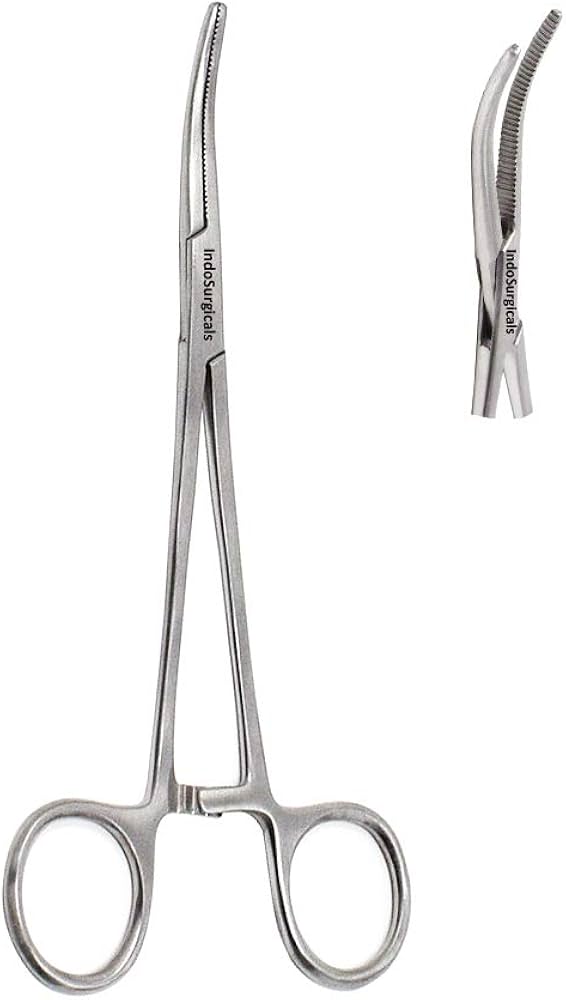
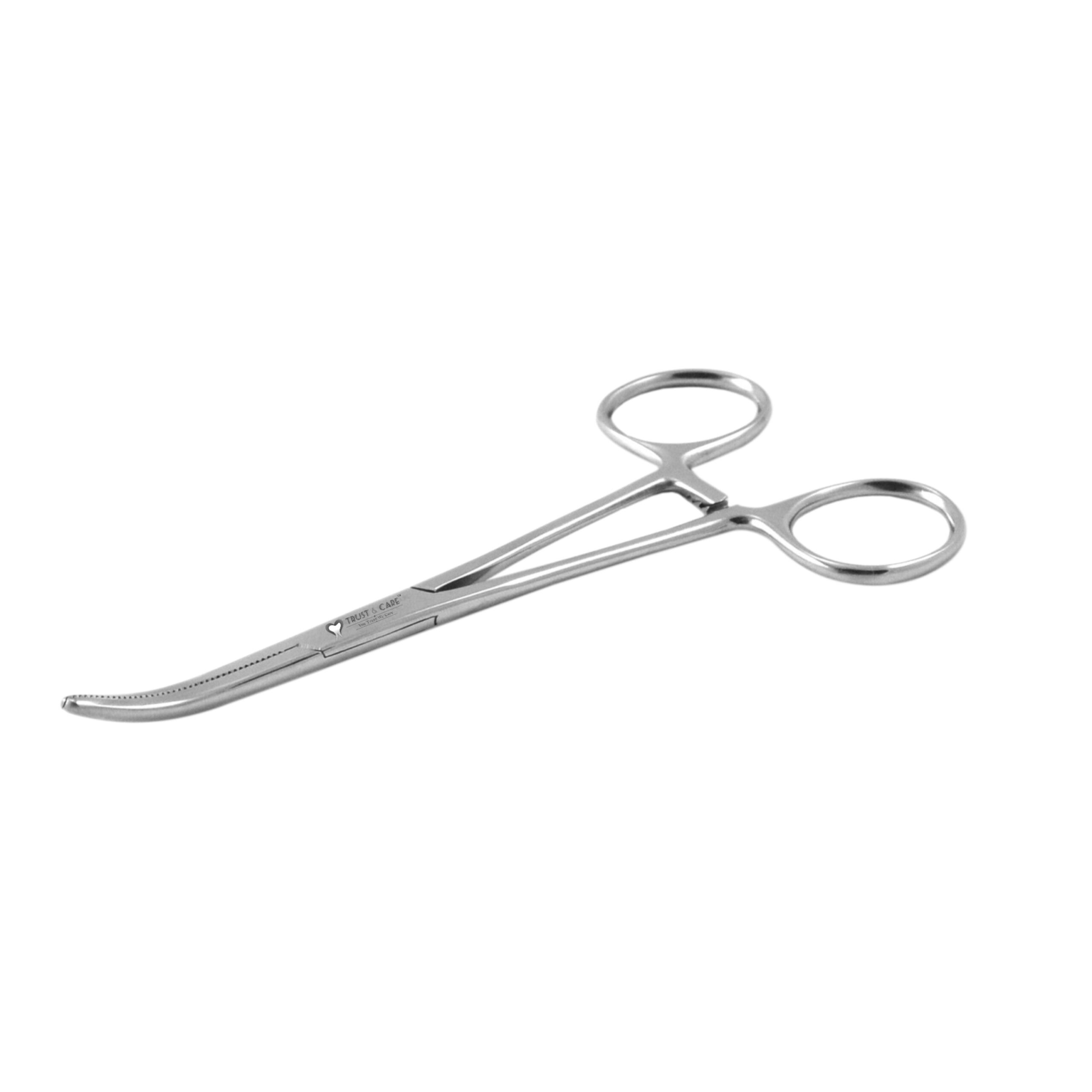
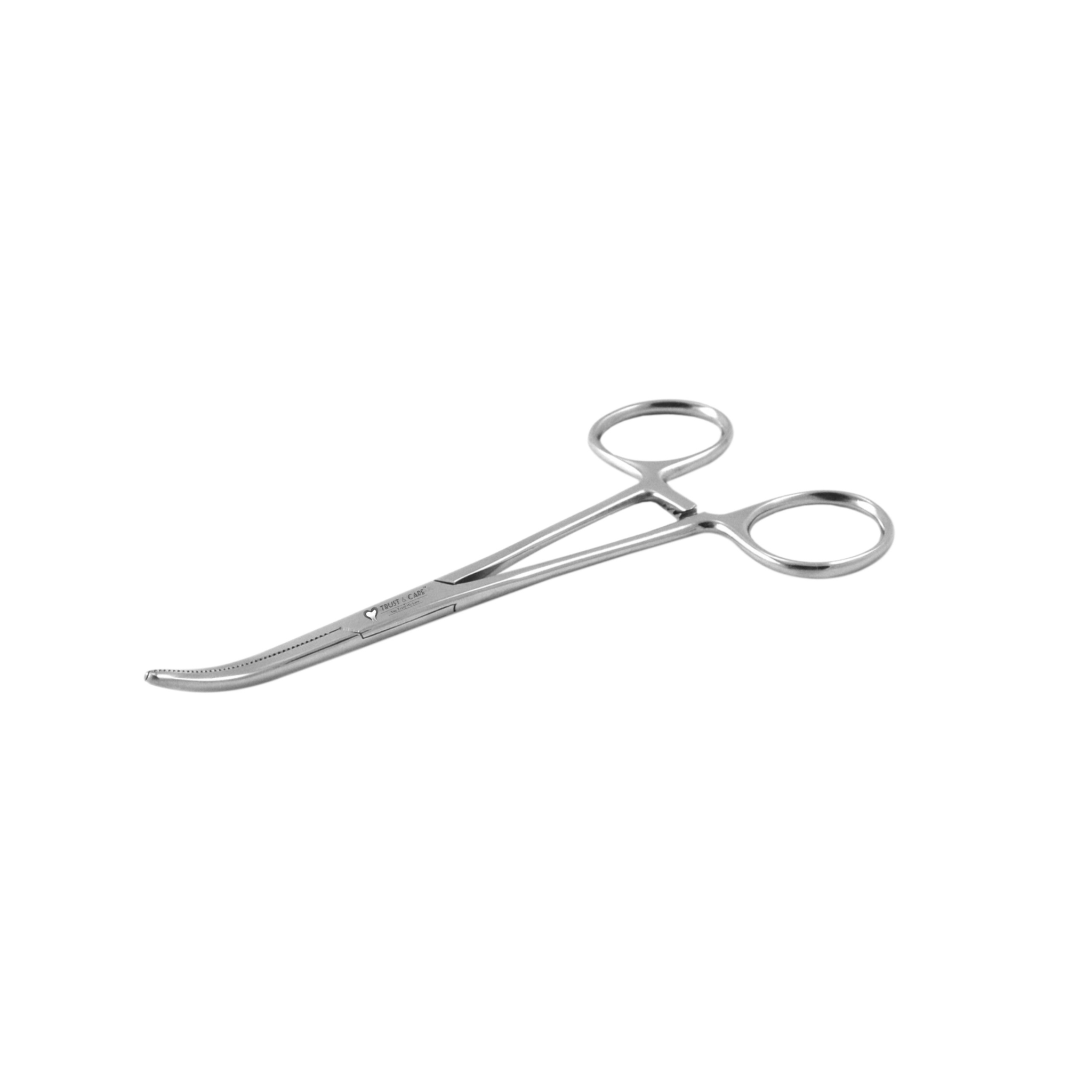
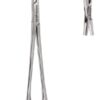
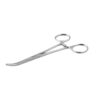
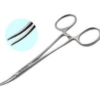
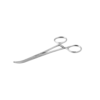
Curved artery forceps (also known as Hemostatic Forceps or Kelly/Mosquito clamps) are a staple in any surgical kit. Think of them as the ultimate “locking tweezers” designed to control bleeding and grip delicate tissues without letting go.
Physical Characteristics
-
The Curve: The blades (jaws) are curved, which allows a surgeon to maintain visibility while clamping a vessel. The curve helps “reach around” structures or follow the natural contour of the body.
-
The Ratchet: Located near the finger rings, this is a locking mechanism. It allows the forceps to remain clamped at different levels of pressure without the user having to maintain manual grip.
-
Serrations: The inner surface of the jaws features transverse (horizontal) ridges. These provide a firm, non-slip grip on slippery blood vessels or tissue.
-
Finger Rings: Standard scissor-like handles for precise control.
Primary Uses
-
Hemostasis: Their main job is to clamp a bleeding artery or vein until it can be tied off (ligated) or cauterized.
-
Tissue Grasping: Holding onto small bits of tissue, fascia, or skin edges.
-
Blunt Dissection: Passing the closed, curved tips into tissue and gently opening them to separate layers without cutting.
-
Suture Management: Occasionally used to hold the ends of sutures out of the way during a complex procedure.
-


Reviews
There are no reviews yet.