





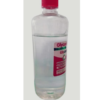
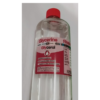
DESCRIPTION
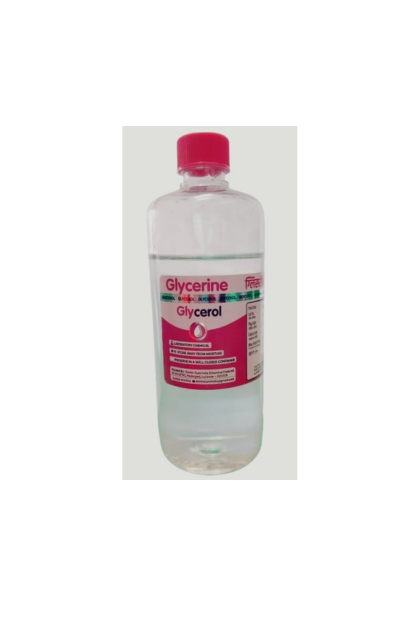
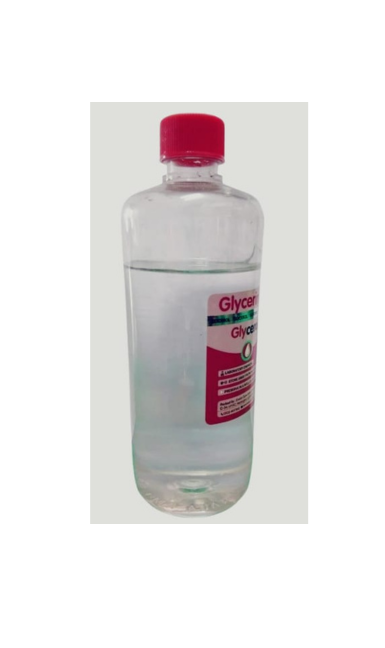
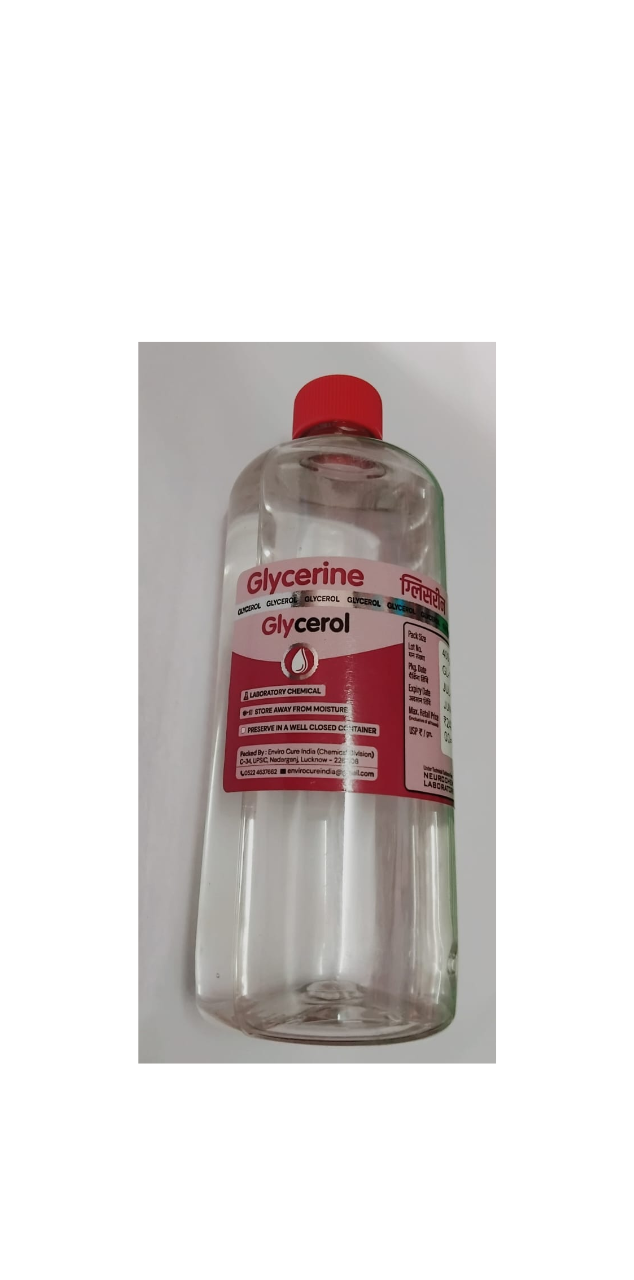
Glycerine and glycerol refer to the same chemical compound: a simple triol (alcohol) with the chemical formula 1$C_3H_8O_3$.2 While the terms are often used interchangeably, “glycerol” is the standard scientific name used in chemistry, whereas “glycerine” (or glycerin) is the common commercial name used in the food, cosmetic, and pharmaceutical industries.3
1. Chemical Profile
Chemically, it is defined as propane-1,2,3-triol.4 It consists of a backbone of three carbon atoms, each bonded to a hydroxyl (5$-OH$) group.6
-
Molecular Formula: 7$C_3H_8O_3$
-
Appearance: A colorless, odorless, and syrupy (viscous) liquid.
-
Taste: Notably sweet (roughly 60% as sweet as table sugar
-
Hygroscopic: It is highly “water-loving,” meaning it attracts and retains moisture from the air.10
-
Solubility: Completely miscible in water and alcohol but insoluble in oils and fats.11
2. Key Properties & Functions
Glycerine’s versatility across industries is due to three main functional roles:
| Property | Description |
| Humectant | Its ability to attract water makes it the gold standard for moisturizing skin and keeping food from drying out. |
| Solvent | It can dissolve many substances that don’t dissolve well in water, making it a “vehicle” for medications. |
| Plasticizer | It adds flexibility to materials like gelatin capsules, cellophane, and paper. |
3. Major Applications
Personal Care & Cosmetics
It is found in almost every lotion, soap, and toothpaste.12 It acts as an emollient, softening the skin by forming a protective layer that traps moisture in the upper layers of the dermis.13
Medicine & Ph
armaceuticals
-
Cough Syrups: Used as a thickening agent to coat the throat and provide a soothing effect.14
-
Laxatives: In suppository form, it draws water into the colon to soften stool.15
-
Internal Pressure: Used medically to reduce pressure in the eye (glaucoma) or the brain (cerebral edema).16
Food Industry
Listed as E422, it serves as a low-calorie sweetener, a preservative, and a thickening agent in liqueurs and candies.17 It helps maintain the “soft” texture in baked goods and energy bars.18
Industrial Uses
-
Antifreeze: Its low freezing point makes it an eco-friendly alternative to toxic glycols.19
-
Explosives: It is the primary raw material for making nitroglycerin, used in dynamite.20
4. How is it made?
Glycerol is rarely synthesized from scratch; instead, it is a byproduct of other processes:21
-
Saponification: The traditional way to make soap by reacting animal fats or vegetable oils with an alkali.22
-
Biodiesel Production: Large quantities are produced today as a byproduct of converting vegetable oils into fuel.23


Reviews
There are no reviews yet.